
Top Reasons Small Businesses Get Denied Bank Loans
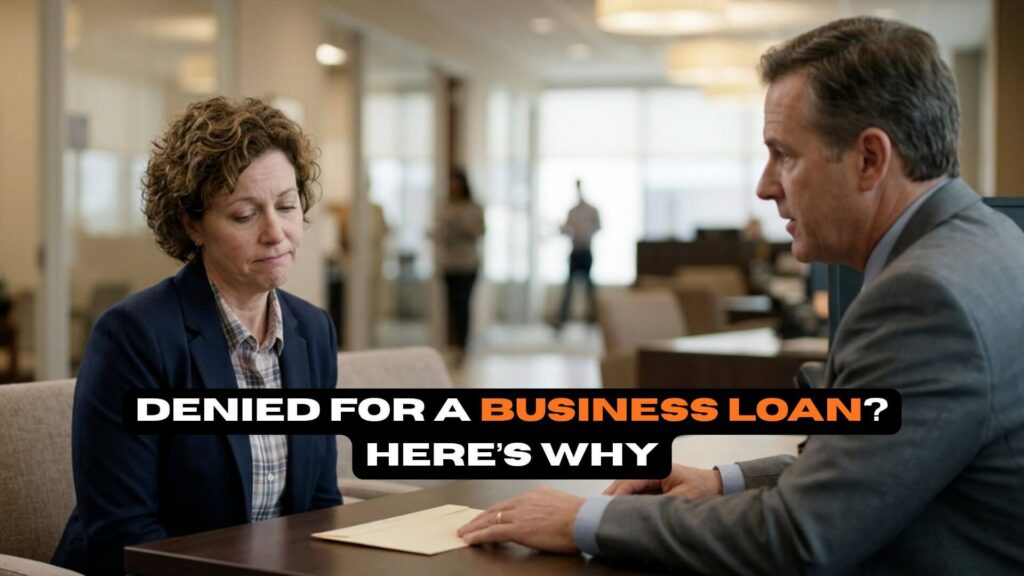
You worked hard to build your business. Finally decide to apply for a bank loan to grow, hire, or cover expenses, only to be denied.
You are not alone. According to the Federal Reserve’s Small Business Credit Survey (SBCS) published by the Federal Reserve and supported by data from SBA.gov, nearly half of small business loan applicants do not receive the full funding they request, and many are denied completely.
Understanding why business loan applications are denied is the first step toward fixing the problem and improving your chances next time.
At Horizon Funding Group, we regularly work with small business owners who have been turned down by traditional lenders and banks. In many cases, the issue is not failure; it’s simply a mismatch between bank requirements and the business profile. Many entrepreneurs explore small business financing and alternative funding after facing rejection from banks.
Key Takeaways
- Banks commonly deny loans due to poor credit, weak cash flow, or insufficient business history.
- Most traditional lenders prefer businesses with at least 2 years in operation.
- Alternative funding options and business funding solutions may help businesses that do not qualify for traditional bank financing.
- Improving documentation and financial health can increase approval chances.
What Does It Mean When Your Business Loan Is Denied?
A loan denial does not mean your business is unworthy or failing. It simply means your application did not meet a bank’s strict lending criteria at that time.
Banks follow conservative underwriting standards. Even small gaps – Such as a slightly low credit score or inconsistent cash flow can result in rejection.
It is also important to understand that a bank denial is not the final answer.
Different lenders use different approval models. Alternative business lenders, for example, often consider revenue performance, business financial health, and cash flow management rather than only credit history.
Top Reasons Small Businesses Get Denied Bank Loans
Banks do not approve all loan applications. Before making a decision, they carefully consider your financial health, business performance, repayment ability, and overall business loan approval process requirements.
Below are the most common reasons small businesses get denied – And how you can fix them in a practical way.
Learn more about available solutions in our Business Funding Options Guide.
Low or Poor Credit Score
Your credit score is one of the first things banks check. It shows how well you have handled debt in the past.
A credit score of at least 680 is preferred by most banks. Stronger credit always increases your chances of funding approval, though some loan programs and commercial lenders may accept slightly lower scores.
Typically, a low credit score entails:
- Missed or late payments
- High usage of credit cards
- Previous financial issues
How to make it better
- Every month, pay all bills on time.
- Maintain low credit card balances.
- Look for errors in your credit report and correct them.
- Don’t submit too many loan applications at once.
Improving your credit score takes time, but steady good habits can make a big difference within a few months.
Insufficient Cash Flow
Cash flow management refers to how much money your business earns and how much it spends on operational needs, business expenses, and growth activities. Banks want to see that your business earns enough to comfortably repay a loan. Most lenders check if your business earns at least 25% more than your debt payments (this is called DSCR 1.25 or higher).
If your income is unstable or too low, lenders may see your business as risky.
How to improve it:
- Send invoices on time and follow up on payments
- Cut unnecessary or high business expenses
- Keep clear and updated financial records
- Try to maintain a steady monthly income to improve capital access and support future business growth opportunities.
Limited Time in Business
Most banks prefer businesses that have been running for at least 2 years.
New businesses (startups) are harder to approve because they do not have a long financial track record.
Why is it important:
Banks want evidence that your company can thrive and make money on a regular basis.
How to improve your chances:
- Apply to alternative lenders that assist start-up companies.
- Look for options for short-term financing and flexible working capital solutions designed for newer businesses.
- Create business credit as soon as possible.
- Maintain accurate financial records right away.
Weak or Incomplete Business Plan
A business plan explains how your business works and how you plan to repay the loan.
If your plan is unclear or missing details, banks may lose confidence.
A strong business plan should clearly explain:
- How your business makes money
- Who your customers are
- Your growth strategy
- Financial projections for the future
How to improve it:
- Make your plan simple but clear
- Include realistic income and expense forecasts
- Show how the loan will support business expansion, operational improvements, or future revenue growth.
- Get help from an accountant or advisor if needed
High Existing Debt
If your business already has loans or high debt, banks may hesitate to approve more financing.
They check whether your total debt is too high compared to your income.
Too much debt can make it difficult for your business to handle new repayments.
How to improve it:
- Pay off current debt whenever you can.
- Refrain from taking out several loans at once.
- To reduce payments, think about restructuring current debt.
- Prior to reapplying, improve monthly revenue and strengthen your business financial health.
Lack of Collateral
Collateral is something valuable (like equipment, property, or inventory) that the bank can claim if the loan is not repaid.
Many traditional bank loans require collateral to be approved.
If your business lacks strong assets, it becomes harder to qualify.
Alternative options:
- Unsecured business loans
- Financing based on revenue
- Working capital financing and short-term funding solutions
- Financing for invoices (based on unpaid client bills)
Incomplete or Incorrect Application
Even well-established companies may be turned down if their application contains mistakes.
Accurate and comprehensive documentation is required by banks and traditional lenders during the business loan approval process. Automatic denial may result from incomplete or inconsistent information.
Common problems include:
- Missing tax records
- Variations in financial reports’ numbers
- Inaccurate company details
- Outdated financial reports
How to solve it:
- Verify every document twice before submitting it.
- Maintain current, well-organized financial records
- Verify your application and tax returns.
- If necessary, work with an accountant.
Final Tip
Most loan denials are not final decisions; they are signals that something in your application needs improvement.
Once you fix the issue, your chances of funding approval increase significantly, whether you apply again at a bank or explore alternative funding options.
Typical Bank Loan Approval Requirements
Banks evaluate multiple factors together, not just one.
Requirement | Typical Bank Expectation | Why It Matters |
Credit Score | 680+ | Measures repayment history |
Business History | 2+ years | Shows stability |
Revenue | $100K+ annually (varies) | Confirms repayment ability |
DSCR | 1.25+ | Ensures cash flow strength |
Collateral | Often required | Reduces lender risk |
Documentation | Complete & accurate | Builds trust |
👉 Related Guide: Small Business Financing Checklist
Traditional Banks vs Alternative Business Lenders
A bank rejection does not mean small business financing is unavailable – It simply means you may need a different type of alternative business lender. At Horizon Funding Group, we evaluate the full business picture – not just credit score or time in business.
Factor | Traditional Bank | Alternative Lenders |
Approval Speed | Weeks–months | 24–72 hours |
Credit Requirement | High | Flexible |
Time in Business | 2+ years | 6–12 months |
Collateral | Often required | Often not required |
Process | Strict | Flexible |
What Can You Do If Your Loan Is Rejected?
Rejection is a sign to modify your funding strategy, not the end.
Common alternative funding options include:
- Business credit lines
- Cash advances to merchants
- Financing invoices
- Finance for equipment
- Loans for short-term working capital
Depending on your revenue, operational costs, and growth stage, each option supports different business needs and funding goals.
Important Funding Considerations
Think about the following before accepting any funding:
- Repayment obligations are a part of any financing.
- Lenders and risk profiles affect interest rates and fees.
- The total cost of short-term financing and alternative funding may sometimes be higher than traditional bank loans.
- Take out only loans that your company can afford to pay back.
- Prior to signing any agreement, always read the entire terms.
Horizon Funding Group is dedicated to providing honest and responsible lending advice. Funding products are subject to approval and may vary based on business revenue, industry, and underwriting requirements.
A Loan Rejection Isn’t the End: It’s a Strategy Shift
A bank rejection is not a dead end, but rather a setback. Every year, thousands of business owners face the same predicament: many discover the best funding option by understanding the reasons why business loan applications are denied and adjusting their strategy accordingly.
The important thing is to have a plan before jumping into another application. Understand your credit profile, review finances, and learn what lenders in the alternative market seek. The small business financing landscape has changed significantly in recent years, giving business owners and entrepreneurs more flexible funding options. Business owners now have more funding options than they did in the past.
Even if a bank rejected your application, there are funding options available for different business situations and financial profiles, whether it is a business line of credit, a merchant cash advance, invoice financing, or equipment funding.
Ready to explore your options?
Visit Horizon Funding Group to speak with a funding advisor who will review your business situation, explain your business funding solutions honestly, and help you move forward without the paperwork headaches or the long wait times of traditional banks.
FAQs
-
1. Why do small business loan applications get denied most often?
Most applications are denied due to low credit scores, weak cash flow, insufficient business history, or missing documentation.
-
2. Can I apply again after being denied a business loan?
Yes. Businesses can apply again after a loan denial. However, lenders recommend improving credit score, reducing existing debt, strengthening cash flow, and correcting documentation issues before reapplying for a small business loan.
-
3. What credit score is needed for a business loan?
Traditional banks usually prefer 680–720+, while SBA loans may accept slightly lower scores depending on other financial factors.
-
4. Why do banks reject startups more frequently?
Startups lack financial history and consistent revenue, making it harder for banks to assess repayment ability and risk.
-
5. What can I do if I don’t qualify for a bank loan?
You can explore alternative funding options such as merchant cash advances, invoice financing, business lines of credit, working capital solutions, or revenue-based financing.
-
6. How can I improve my chances of loan approval?
Improve your credit score, maintain steady cash flow, reduce existing debt, and prepare a complete and accurate business application.
-
7. Are alternative funding options safe?
Yes, when used responsibly. However, always review repayment terms, fees, and the total cost of capital before accepting any offer.